This Ebola outbreak raises questions about when it all began — and the U.S. response - NPR
The Editorial Staff
Senior Correspondent
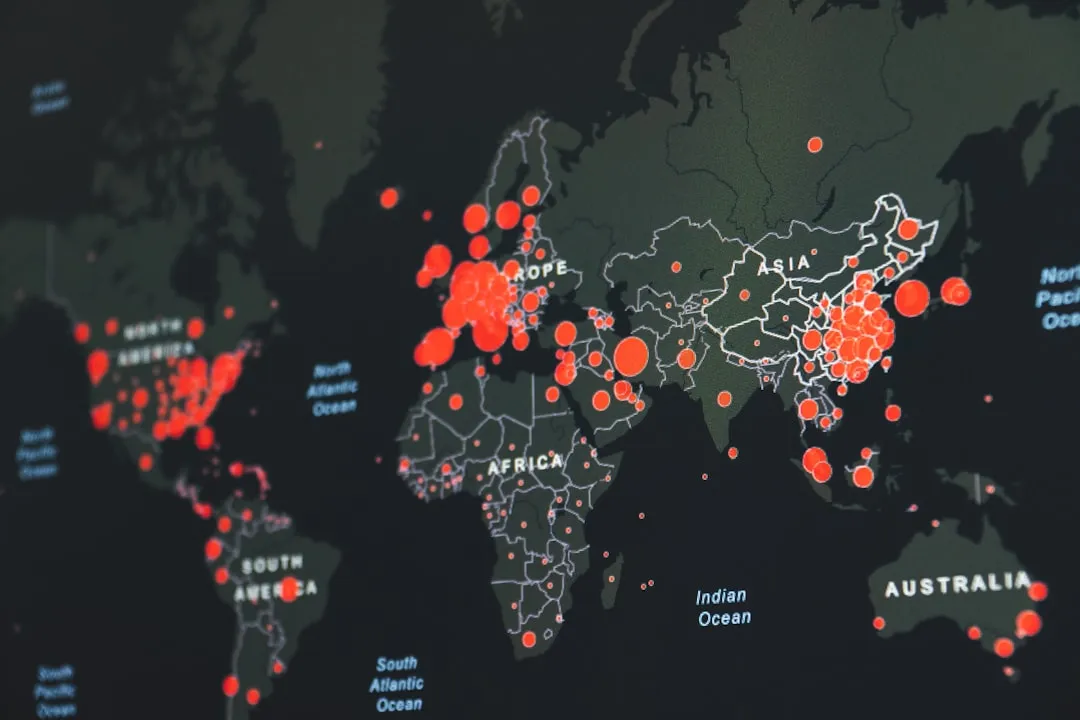
The recent Ebola outbreak in the Democratic Republic of the Congo and Uganda has sparked intense scrutiny over the timeline of the disease's emergence and the international response, particularly from the United States. As the situation continues to unfold, a growing number of cases and the first reported infection of an American citizen have raised concerns about the effectiveness of current measures to contain the outbreak and prevent its spread globally.
Background and Timeline
The Ebola outbreak, caused by the Bundibugyo virus, was determined to be a public health emergency of international concern by the World Health Organization (WHO). However, reports indicate that the disease was identified in Congo weeks before the WHO declared an emergency, prompting questions about the delay in response and the potential consequences of this delay. The outbreak has led to a significant number of cases and fatalities in the affected regions, with the situation still not fully under control.
U.S. Response and Precautions
In response to the growing concern over the Ebola outbreak, the U.S. has taken steps to limit entry from virus-hit regions and enhance screening measures at airports. The decision follows the confirmation of an American citizen testing positive for Ebola, highlighting the need for vigilance and proactive measures to prevent the spread of the disease within the country. Travelers from affected areas will undergo screening at U.S. airports, as part of the efforts to identify and isolate potential cases early, thereby reducing the risk of an outbreak in the United States.
Global Implications and Future Steps
The ongoing Ebola outbreak serves as a reminder of the importance of rapid and coordinated international responses to public health emergencies. The situation underscores the need for improved surveillance, communication, and collaboration among global health authorities to effectively combat the spread of infectious diseases. As the situation continues to evolve, it is crucial for health organizations, governments, and the public to remain informed and take necessary precautions to mitigate the risk of Ebola and other infectious diseases.