These German Politicians Agree With Trump: It’s Time for U.S. Troops to Get Out - WSJ
The Editorial Staff
Senior Correspondent
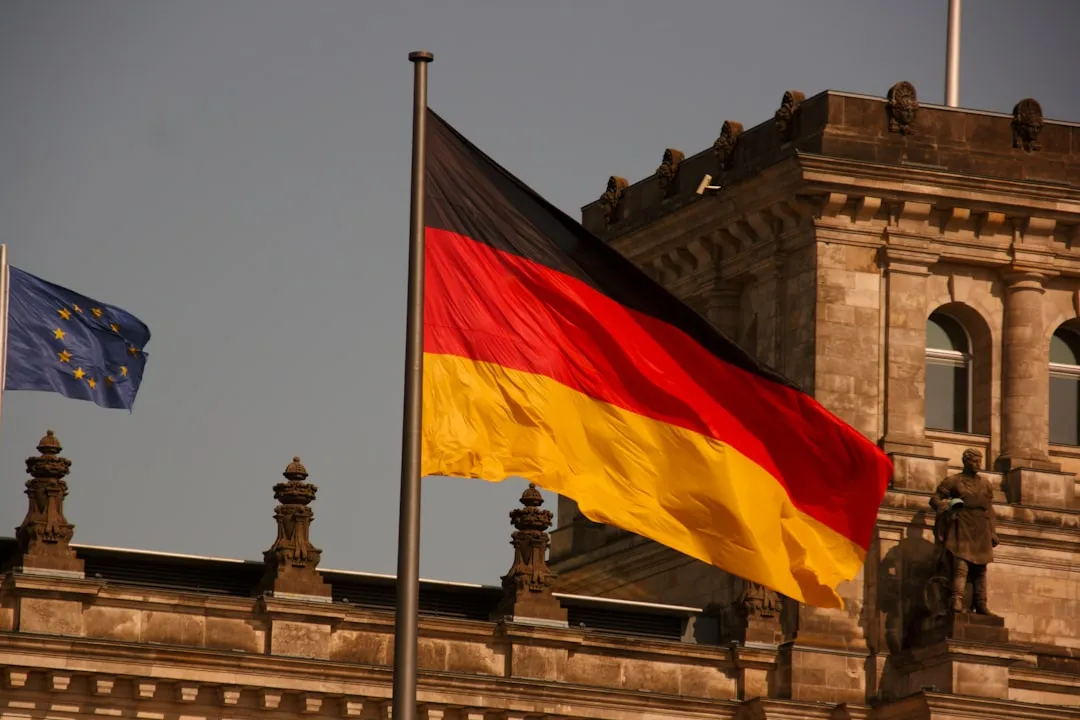
A growing number of German politicians are publicly backing the idea that it's time for U.S. troops to leave Germany, echoing a sentiment previously expressed by former U.S. President Donald Trump. This shift in stance is significant, as it reflects a changing landscape in transatlantic relations and security policies. The call for the withdrawal of U.S. troops from German soil underscores the evolving priorities and perspectives of German politicians, who are increasingly emphasizing the need for European autonomy and reduced dependence on American military presence.
Background and Context
The presence of U.S. troops in Germany dates back to the post-World War II era, with the country serving as a strategic location for American military bases in Europe. Over the years, this presence has been a cornerstone of NATO's collective defense strategy, aimed at deterring potential threats and maintaining regional stability. However, with the end of the Cold War and the emergence of new global challenges, the rationale behind the large-scale deployment of U.S. troops in Germany has been subject to renewed debate.
Political Perspectives
German politicians who agree with the withdrawal of U.S. troops argue that it is essential for Europe to take more responsibility for its own security. They contend that the significant presence of American forces can create a culture of dependency, hindering the development of robust European defense capabilities. Moreover, the financial burden of hosting U.S. troops, including the costs associated with maintaining bases and supporting personnel, is also a factor in the argument for withdrawal. On the other hand, proponents of maintaining the current level of U.S. military presence in Germany emphasize the importance of transatlantic cooperation and the role of American troops in ensuring regional security and stability.
Implications and Future Directions
The implications of U.S. troops leaving Germany would be far-reaching, affecting not only the country's security landscape but also its economic and political relationships with the United States and other European nations. As the debate unfolds, it is crucial for policymakers to weigh the potential benefits of enhanced European autonomy against the potential risks of diminished U.S. engagement in regional security affairs. The path forward will likely involve complex negotiations and strategic planning, aiming to balance the evolving interests and priorities of all parties involved.