‘It feels like humans are left on the back burner’: Why this college grad hates AI - NBC News
The Editorial Staff
Senior Correspondent
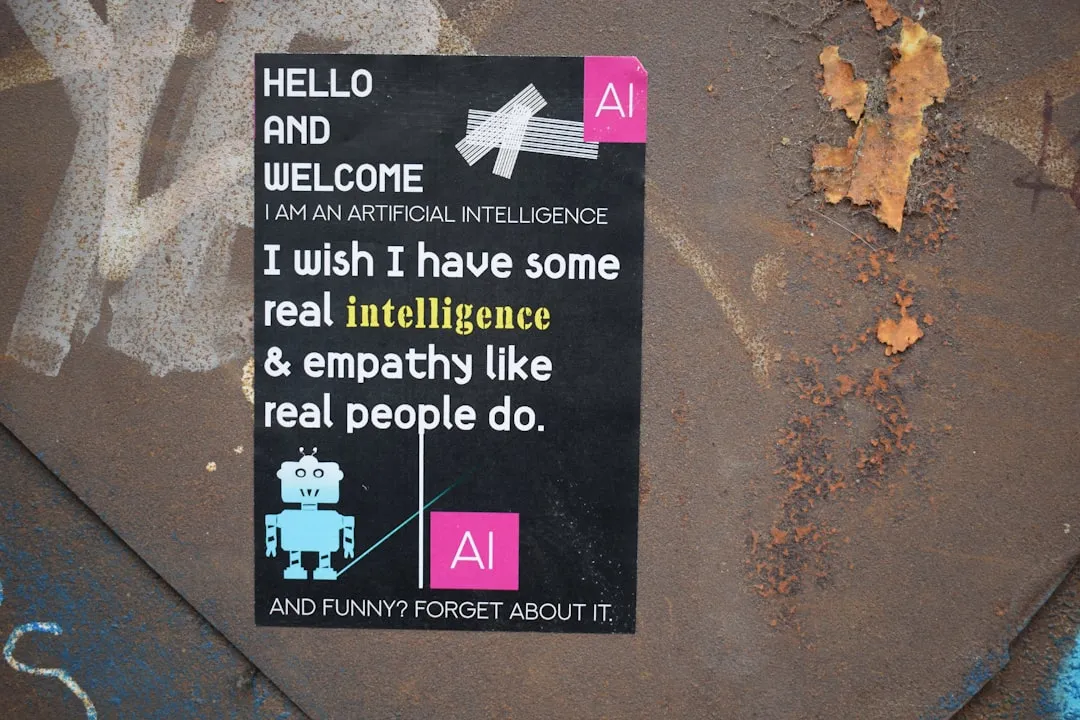
A growing concern among the younger generation has come to the forefront as a recent college graduate has expressed strong sentiments against Artificial Intelligence (AI), citing feelings of being overshadowed by the rapid advancement of technology. In a striking interview with NBC News, the graduate voiced frustration, stating that it feels like humans are left on the back burner as AI continues to dominate various aspects of life.
The Rise of Anti-AI Sentiment
The sentiments expressed by this college graduate are not isolated, as many individuals are beginning to question the role of AI in society. With AI increasingly being integrated into the workforce, education, and daily life, concerns about job displacement, loss of human touch, and the potential for AI to surpass human capabilities are becoming more prevalent. This growing anti-AI sentiment highlights the need for a balanced approach to technological advancement, one that prioritizes human well-being and agency.
Implications for the Future of Work and Education
The impact of AI on the job market and education sector is a significant concern for many young people. As AI assumes more responsibilities, there is a fear that human skills will become less valuable, leading to a shift in the way we approach work and education. This has sparked debates about the need for a more human-centered approach to technological development, one that focuses on augmenting human capabilities rather than replacing them. As the world continues to navigate the complexities of AI integration, it is essential to consider the long-term implications for future generations.
A Call for Responsible AI Development
The college graduate's statement serves as a reminder of the importance of responsible AI development. As technology continues to advance at an unprecedented rate, it is crucial to prioritize human values, ethics, and well-being in the development and implementation of AI systems. This includes ensuring that AI is designed to complement human capabilities, rather than replace them, and addressing concerns around bias, transparency, and accountability. By adopting a more nuanced approach to AI development, we can work towards creating a future where technology enhances human life without leaving people behind.