China launches 3 astronauts, including 1st ever from Hong Kong, to Tiangong space station (video) - Space
The Editorial Staff
Senior Correspondent
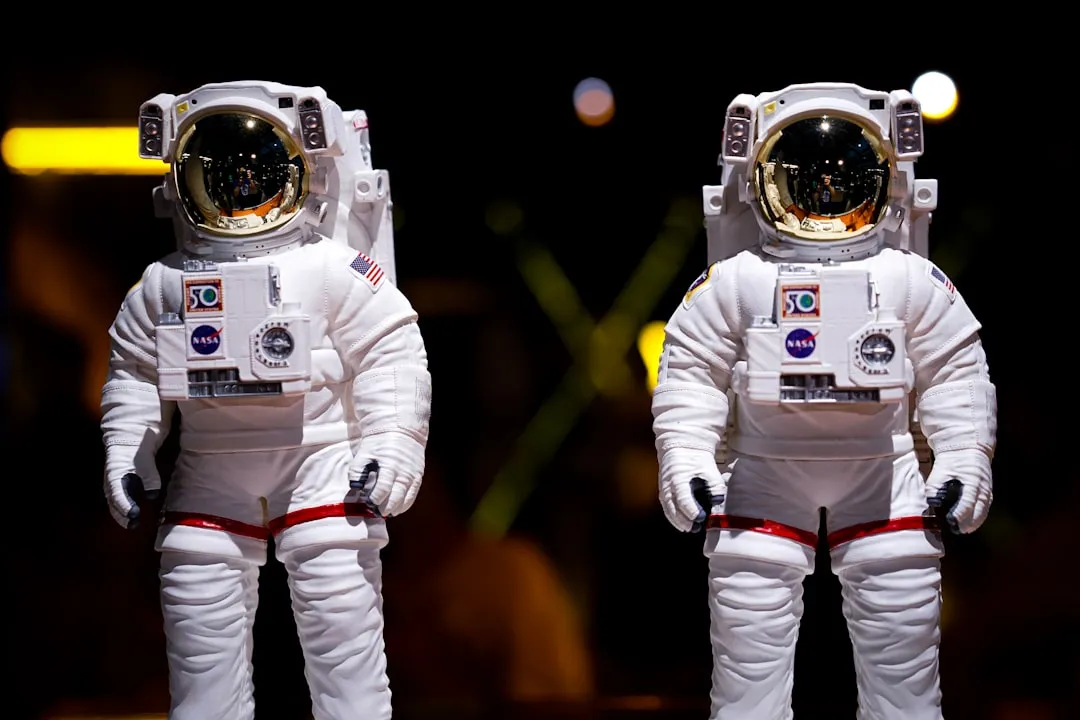
In a historic move, China has successfully launched three astronauts, including the first-ever astronaut from Hong Kong, to the Tiangong space station, marking a significant milestone in the country's ambitious space program. The launch of the Shenzhou 23 spacecraft is part of China's broader plans to establish a permanent human presence in space, with the ultimate goal of landing on the moon by 2030.
Space Mission Details
The spacecraft, carrying astronauts Lai Ka-ying, a Hong Kong native, and two other crew members, blasted off from the Jiuquan Satellite Launch Center in northern China. The mission is expected to last for a year, with one of the astronauts set to stay on the space station for the entire duration. This prolonged stay will enable the astronauts to conduct extensive scientific research and test the space station's capabilities.
Historic Participation from Hong Kong
The inclusion of Lai Ka-ying, Hong Kong's first astronaut, in the mission is a notable development, highlighting the region's growing participation in China's space endeavors. The launch has been hailed as a significant moment for Hong Kong, with Lai Ka-ying's participation seen as a source of pride for the territory. The move is also expected to foster greater cooperation between Hong Kong and mainland China in the field of space exploration.
China's Lunar Ambitions
The successful launch of the Shenzhou 23 spacecraft is a crucial step towards China's goal of landing on the moon by 2030. The country has been rapidly expanding its space program in recent years, with a series of high-profile missions, including the landing of a rover on the far side of the moon in 2019. China's space agency has also announced plans to establish a permanent human settlement on the moon, with the Tiangong space station serving as a critical stepping stone for these ambitions.
International Significance
The launch of the Shenzhou 23 spacecraft has significant implications for the global space community, as China continues to assert its presence in space. The country's rapid progress in space exploration has sparked both interest and concern among other nations, with some viewing China's space program as a potential challenge to the dominance of the United States and other established space-faring nations. As China pushes forward with its ambitious space plans, the international community will be watching closely to see how these developments unfold.