AI in the sky: Inside the FAA plan to overhaul air traffic - Politico
The Editorial Staff
Senior Correspondent
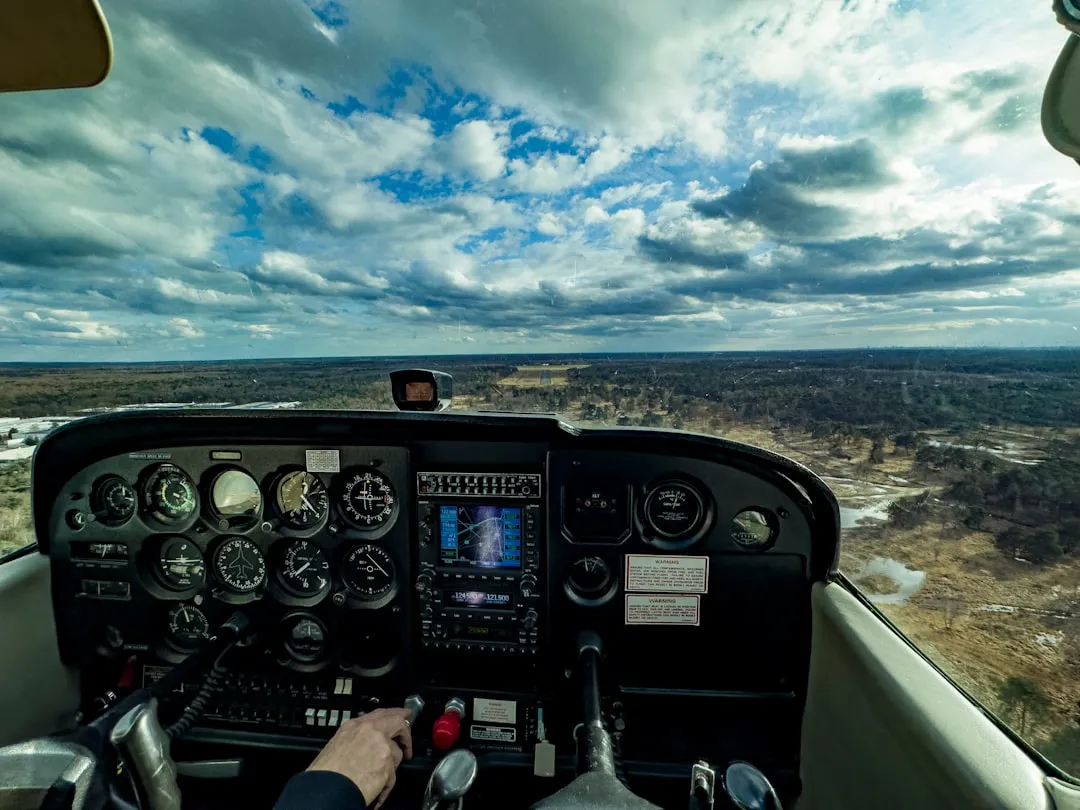
The Federal Aviation Administration (FAA) is embarking on an ambitious plan to revolutionize the management of air traffic control, leveraging the power of Artificial Intelligence (AI) to enhance efficiency, safety, and reduce congestion in the nation's airspace. This significant overhaul is poised to transform the way air traffic is managed, with AI-driven systems expected to play a critical role in streamlining operations and improving the overall air travel experience.
Background and Context
The FAA's plan to integrate AI into air traffic control is a response to the growing demands on the nation's airspace, driven by an increase in air travel and the proliferation of unmanned aerial vehicles (UAVs). The current air traffic control system, while safe, is often inefficient and labor-intensive, relying on human controllers to manage the flow of air traffic. The introduction of AI is expected to automate many routine tasks, freeing up human controllers to focus on more complex and high-priority tasks.
Key Components of the Plan
While details of the plan are still emerging, it is clear that the FAA is committed to harnessing the power of AI to enhance air traffic management. This will involve the development and deployment of advanced algorithms and machine learning systems, designed to analyze vast amounts of data and make predictions about air traffic patterns. The goal is to create a more dynamic and responsive air traffic control system, capable of adapting to changing conditions in real-time.
Implications and Future Outlook
The successful integration of AI into air traffic control has the potential to transform the air travel experience, reducing delays and congestion while improving safety. However, the plan also raises important questions about job displacement and training, as well as the potential for cybersecurity risks. As the FAA moves forward with its plan, it will be important to address these concerns and ensure that the benefits of AI are realized while minimizing the risks. With the FAA at the forefront of this innovation, the future of air travel is poised to be more efficient, safe, and reliable than ever before.